
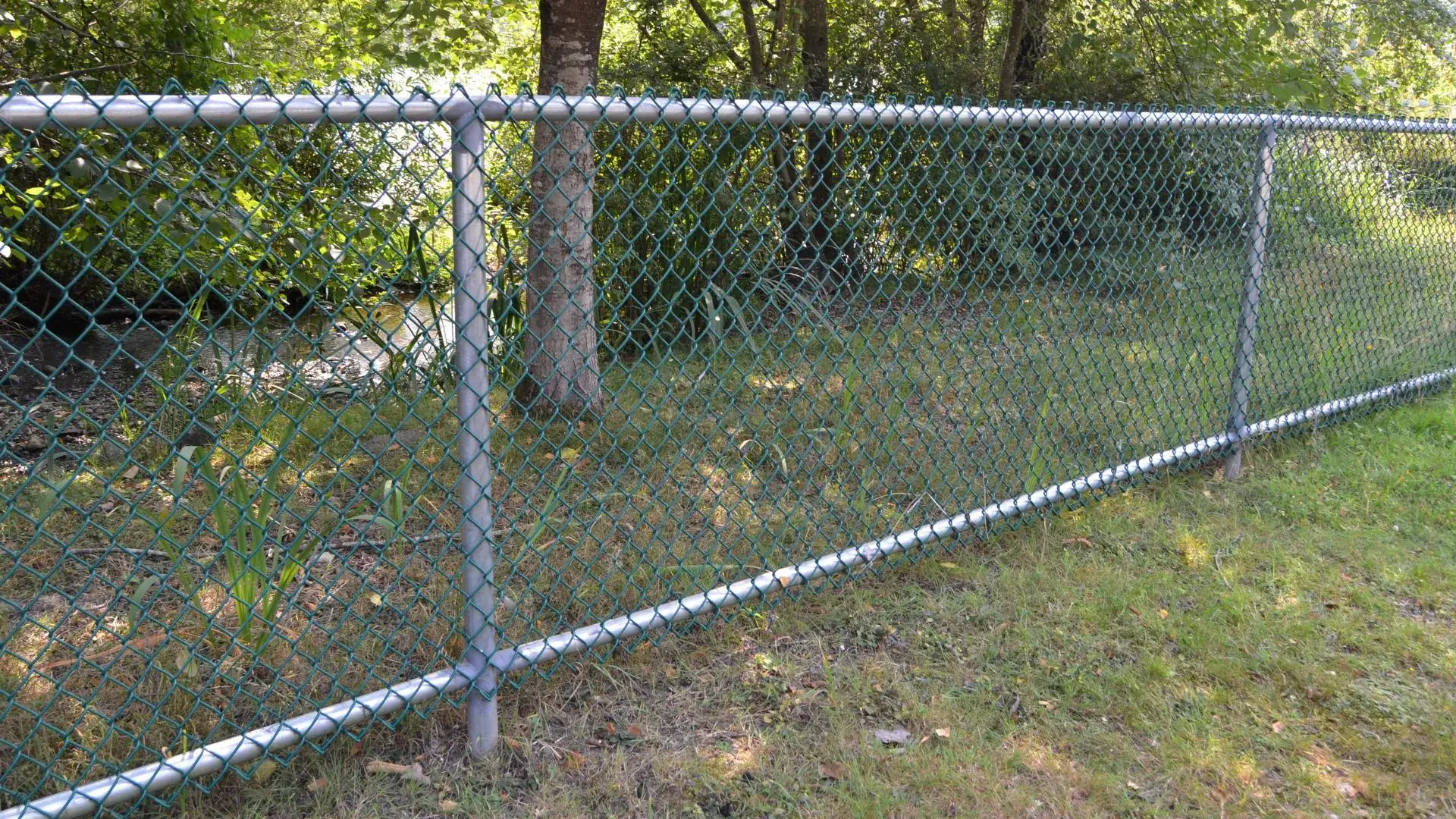
Installing a chain link fence might seem daunting at first, but with the right tools, preparation, and guidance, it’s a project you can tackle on your own. Not only does a chain link fence provide security and define your property line, but it’s also a cost-effective way to keep pets and animals safe. Follow this step-by-step guide to plan, measure, and install your fence precisely and confidently.
Tools and Materials Needed
Before beginning your project, gather the necessary tools and materials to avoid delays. Preparation is key.
Tools You’ll Need:
- Post hole digger or auger
- Tape measure
- Level
- Spade or shovel for dirt removal
- Tension band and a tension bar
- Pliers
- Stakes and string line
- Wrenches and bolts
- Hammer
Materials to Purchase:
- Fence posts (corner, line, and end posts)
- Chain link fencing fabric
- Rail (top and bottom)
- Concrete for secure installation
- Caps for posts
- Gate hardware and brackets
- Tension wire and ties
- Fasteners and anchors
Make sure everything is accounted for before you start digging.
Planning the Fence Layout
A well-thought-out plan determines the success of your fence installation.
Define the Purpose and Area
Start by determining why you’re installing the fence. Are you securing pets? Defining property boundaries? Once you’ve determined your goal, walk around the planned area to measure its dimensions. Mark the boundaries and identify obstructions like slopes, trees, or structures like your house or garden.
Work With Your Neighbors
If your fence will run along shared property lines, discuss the project with your neighbors. This can help avoid disputes later on.
Sketch a Layout
Sketch your fence layout on paper or use online tools to visualize it clearly. Indicate the location of gates, corners, and end posts. Double-check measurements to ensure accuracy.
Marking the Fence Line
With the layout complete, it’s time to mark your fence line for proper alignment.
Use Stakes and String Lines
Drive stakes into the ground at each corner and at the end posts. Stretch a string along the stakes to create a clear line. This ensures straightness and proper spacing. Use a level to maintain accuracy along slopes or uneven ground.
Identify Critical Points
Mark the placement for each post along the line by spacing them evenly, typically 8-10 feet apart. The spacing may vary depending on manufacturer recommendations, so check the instructions.
Check Twice, Dig Once
Double-check your marks and alignment against the property line to ensure there is no encroachment onto a neighbor’s land.
Digging Post Holes
Properly dug post holes provide the stability your fence needs.
How Deep to Dig
Using a post hole digger or auger, dig holes 2-3 feet deep or as the fence manufacturer recommends. This depth adds stability, especially in high winds or loose soil areas.
Width and Stability
The width of each hole should be about three times the diameter of your fence posts. Remove loose dirt and create a solid base. For extra support, consider adding gravel or a small amount of water to the bottom.
Installing Corner and End Posts
Corner and end posts serve as the anchors for your fence.
Set Posts in Concrete
Place the post in the hole and fill it with concrete, ensuring it is plumb and level. Allow the concrete to cure as per the manufacturer’s instructions, usually 24-48 hours.
Caps and Rails
Once the concrete sets, attach caps to the top of the posts to prevent water from entering. Secure the top and bottom rails to the posts for added strength.
Installing Line Posts
Line posts add support along the fence’s perimeter.
Space and Secure Posts
Install line posts at your pre-measured marks, ensuring they align with the string line. Follow the same concrete process as with corner and end posts.
Alignment is Key
Measure the spacing between each line post to ensure uniformity. Good alignment ensures your fence’s stability and clean appearance.
Attaching Chain Link Fabric
Now it’s time to stretch the chain link fabric.
Start at the Corner
Unroll the chain link fabric and attach one end to a corner post using tension bands and a tension bar. Ensure it sits flush against the post.
Stretching the Fabric
Carefully stretch the fabric toward the opposite end post using a fence stretcher or by hand. The tension should be even but not overly tight. Secure the fabric to line posts and rails with ties at regular intervals.
Adding Tension and Brace Bands
Tension and brace bands ensure the fence remains taut.
Secure Bands
Install tension and brace bands on all posts to hold the fabric and tension wire in place. Use bolts and pliers to fasten them tightly.
Tighten Tension Wire
Run a tension wire along the bottom of the chain link fabric and secure it using loops and ties. This prevents animals from pushing under the fence.
Installing Gates
Gates are an essential part of any chain link fence.
Mark and Place Gate Posts
Locate where the gate will be installed and measure the width to fit appropriately. Install the posts needed for the gate, ensuring they’re plumb and set in concrete for stability.
Attach Gate Hardware
Secure the gate hinges, brackets, and fasteners to the posts. Install the gate itself, ensuring it opens and closes smoothly. Adjust the hardware as needed for proper alignment.
Finishing Touches and Maintenance Tips
With the major installations complete, wrap up your project with final adjustments.
Check for Stability
Inspect the fence for loose ties, uneven areas, or alignment issues. Tighten where necessary to ensure the fence is secure and stable.
Add Caps and Inspect Hardware
Install caps on all posts to enhance durability and prevent water damage. Examine the hardware, bolts, and brackets for any signs of wear.
Regular Maintenance
Over time, tighten any slack in the chain link fabric or tension wire. To maintain the fence’s appearance and functionality, keep the area around it clear of debris, plants, or dirt buildup.
Installing a chain link fence is a rewarding project that adds value and security to your home. With careful planning, precise measurements, and attention to detail, you can create a durable and professional-looking fence that meets your needs.
Understanding Fence Permits in Onslow County, NC
Before starting your fence installation project in Onslow County, NC, it’s crucial to understand the permit requirements. Failing to secure the proper permits could result in fines, delays, or even removing your fence. Here’s a step-by-step guide to help you:
Do You Need a Fence Permit?
Onslow County requires a permit for most residential fences, especially if your fence exceeds a certain height (usually six feet). However, permits may not always be necessary for shorter fences or those built within specific property zones. Before breaking ground, it’s always wise to check with the county’s planning department.
How to Obtain a Permit
Visit the Onslow County government website or the Planning and Development office to gather information about the permitting process. Be prepared with the following:
- A site plan showing your fence’s layout, length, and property line boundaries.
- Details about your materials, such as wood, vinyl, or chain link.
- Information about whether the fence will impact public right-of-way, slope, or drainage systems.
The review process typically takes a few weeks, so incorporate this into your project timeline. Someone in the office can clarify any concerns regarding specific requirements for your area.
Post-Permit Considerations
Once your permit is approved, mark the perimeter using stakes and chalk to ensure your fence stays within legal boundaries. Always call to have utility lines marked before digging, as this might be another county regulation.
These steps will prevent future disputes with the county or your neighbors.
Preparing Your Yard for Fence Installation
Proper yard preparation ensures that your fencing project will go smoothly and result in a sturdy, long-lasting fence. Start off strong by considering the following tips:
Clearing the Installation Area
Remove any obstructions like bushes, debris, or existing structures that might interfere with the fence line. Ensure the ground is free of large rocks or tree roots that could complicate post hole digging. For areas with uneven slopes, grading may be required to maintain a level alignment.
Marking the Fence Line
Use stakes connected by string to map out the fence’s length. This will help you visualize the project and identify potential challenges around corners and the property line. Measure carefully to ensure enough space for gates, and double-check your measurements with the plans provided during the permit process.
Gathering the Right Tools
To prepare for the project, assemble the necessary tools. You’ll need basic items like:
- A post hole digger or powered auger
- A level for checking alignment
- Measuring tape for accuracy
- Protective gear like gloves for hand safety
Don’t forget about transport. Renting a small truck might be necessary for delivering heavy materials like fence posts and rails.
With proper preparation, your yard will be ready to support a structurally sound and visually appealing fence.
Partner with Nelson Fence Company for Expert Chain Link Fence Installation
Transforming your property starts with a great fence, whether you’re opting for a straightforward DIY project or seeking the ease and assurance of professional fence installation. If you’re in Onslow County, NC, Nelson Fence Company is your go-to partner for reliable, durable, and expertly crafted fences.
Investing in a fence is more than just a project—it’s about securing what matters most to you. Contact Nelson Fence Company today for a consultation and learn how we can help bring your chain link fence dreams to life. With our expertise, you’ll have a fence that serves its purpose and adds value and charm to your property.
At Nelson Fence Company, we take pride in serving the residents of Onslow County, NC, by delivering reliable, durable, and beautifully crafted fences tailored to each client’s unique needs. Our expertise includes installing top-notch chain link fences that stand the test of time while providing security and enhancing property value. Whether you’re looking to define boundaries on a sprawling property or secure a small backyard, our team is here to help.
With years of experience and a commitment to quality, we ensure every fence is built right the first time. Our fence company in Hubert, NC, is familiar with the local landscape and understands the specific needs of properties in Onslow County. This means you get a fence that meets your expectations and is designed to blend seamlessly with the environment.
Get your free quote now and discover why homeowners in Onslow County trust Nelson Fence Company for all their fencing needs. Whether you’re building a simple loop-top design or looking for something fully customized, we’re here to make it happen!
Frequently Asked Questions
How do I measure the area for the fence?
Start by marking the perimeter where the fence will go using stakes and string. Measure the distance between each stake to determine the total length. Be sure to account for gates or other entry points by marking their width separately. This will help determine how much chain link fabric you need and the number of posts.
How far apart should the posts be set?
For chain link fences, posts are typically spaced 10 feet apart in the center. However, this distance can vary depending on the height of the fence and local conditions, such as wind load requirements.
How do I secure the chain link fabric to the posts?
Start by attaching the chain link fabric to the terminal post using tension bars and bands. Then, stretch the fabric across the fence line tautly using a come-along or fence stretcher. Finally, secure the fabric to line posts using tie wires or fence fabric clips spaced approximately every 12 inches.
Should I use concrete for setting the posts?
Yes, concrete is highly recommended for securing fence posts. It provides stability and durability, particularly in soft or shifting soil areas. For the best results, ensure the concrete is mixed properly and allows for adequate curing time.
What is the proper height for a chain link fence?
The height of a chain link fence depends on its intended purpose. Common heights are 4 feet for residential use, 6 feet for added privacy or security, and 8 feet or higher for commercial or industrial purposes.
How do I maintain a chain link fence after installation?
Chain link fences require minimal maintenance. Regularly check for loose fittings, rust spots, or damaged fabric sections. Use a rust inhibitor or spray paint to repair any rust, and clean the fence with soap and water as needed. For longevity, keep grass and vegetation trimmed around the base of the fence.